What is the Great Northern Japanese Alps?
The "Great Northern Japanese Alps" is a self-challenge event where participants aim to conquer all the famous peaks and 3000-meter mountains in the main area of the Northern Japanese Alps on their own.
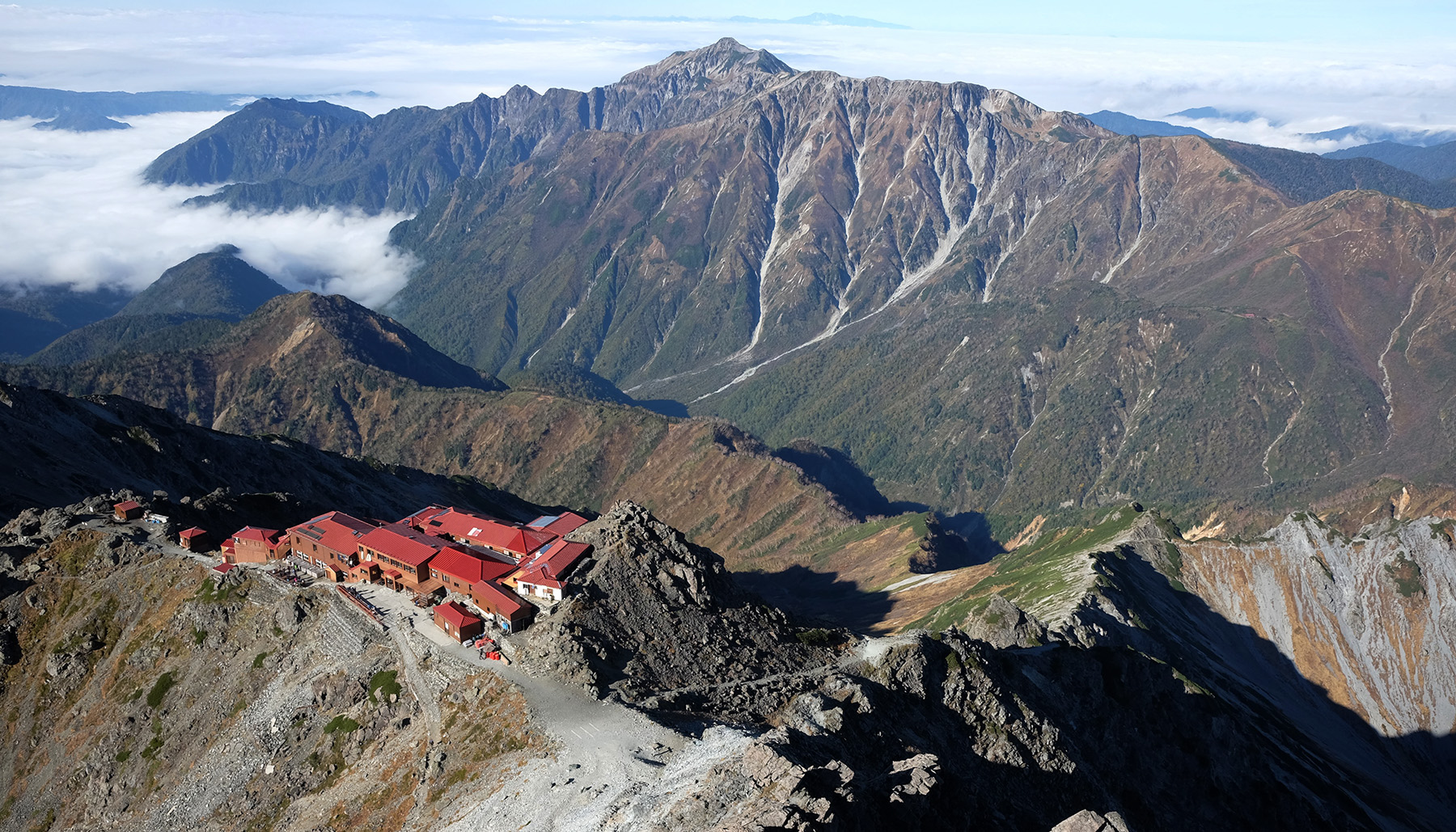
The Northern Alps (Hida Mountains) are home to a series of Japan's representative 3000-meter-class mountains. Upon reaching the ridgeline, you are greeted with breathtaking, otherworldly views. Together with the Central Alps (Kiso Mountains) and Southern Alps (Akaishi Mountains), they are known as the Japanese Alps. Among them, the Northern Alps boast a main ridgeline that spans over 200 kilometers, embodying the grandeur, beauty, and harshness that represent Japan's mountainous landscapes.
Currently, hosting large-scale events in national parks and special protected areas in Japan is challenging, limiting the opportunities for grand challenges in the beautiful mountainous landscapes represented by the Northern Alps. Therefore, we conceived an event where each participant can undertake the challenge at their own pace and responsibility, ensuring that "anyone who wants to, can definitely take on the challenge."
You can challenge yourself to see how quickly you can return or take your time to fully enjoy the mountains at your own pace. The style is entirely up to each participant.
Take on the grand course that might be difficult to tackle alone, supported by fellow event participants and supporters, and fully enjoy the grandeur, severity, and beauty of the Northern Alps.
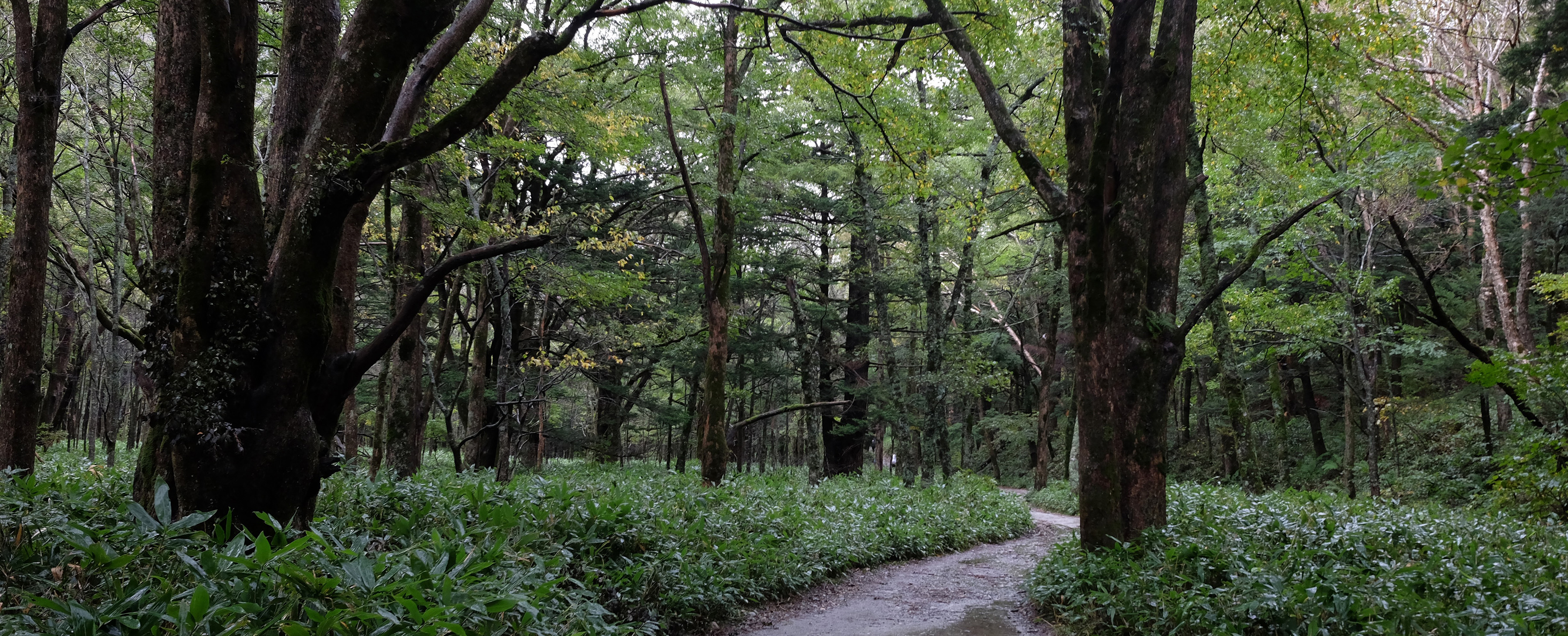
GREAT NORTHERN JAPANESE ALPS 2026 Entry List
Completed Challenges
| # | No. | #C | Photo | Name | Category | Start Time | End Time | Elapsed |
|---|---|---|---|---|---|---|---|---|
| 1 | 8 | 1 |
丸田友之
Tomoyuki Maruta |
Hut Stay & Resupply | 2026-07-25 00:00 | 2026-08-09 05:30 | 15 days 5 hours 30 minutes | |
|
Course:
新穂高温泉を起点に大回りと小回りする予定です。関東から行きにくい立山方面を先に攻略したいと思っています。
Intro: 第一回から参加者のドットを追っかけつつ応援してきました。家庭や仕事の調整がついたので、今年こそはとチャレンジです。安全第一で楽しみます!
|
||||||||
| 2 | 10 | 1 |
三上 英範
hidenori mikami |
Hut Resupply | 2026-07-17 03:24 | 2026-09-21 07:23 | 66 days 3 hours 59 minutes | |
|
Course:
第一弾は新穂高から入って穂高周辺を攻略、第二弾は猿倉〜針ノ木峠、第三弾は針ノ木峠〜新穂高、残りは劔岳〜新穂高で、三俣蓮華岳でログが繋がる予定です。
Intro: 大北アルプスがとても厳しいのは重々承知の上で、それでも北アルプスが好きなので挑戦することにしました。
裏銀座や後立山は未踏の地も多いので、今から楽しみです。
|
||||||||

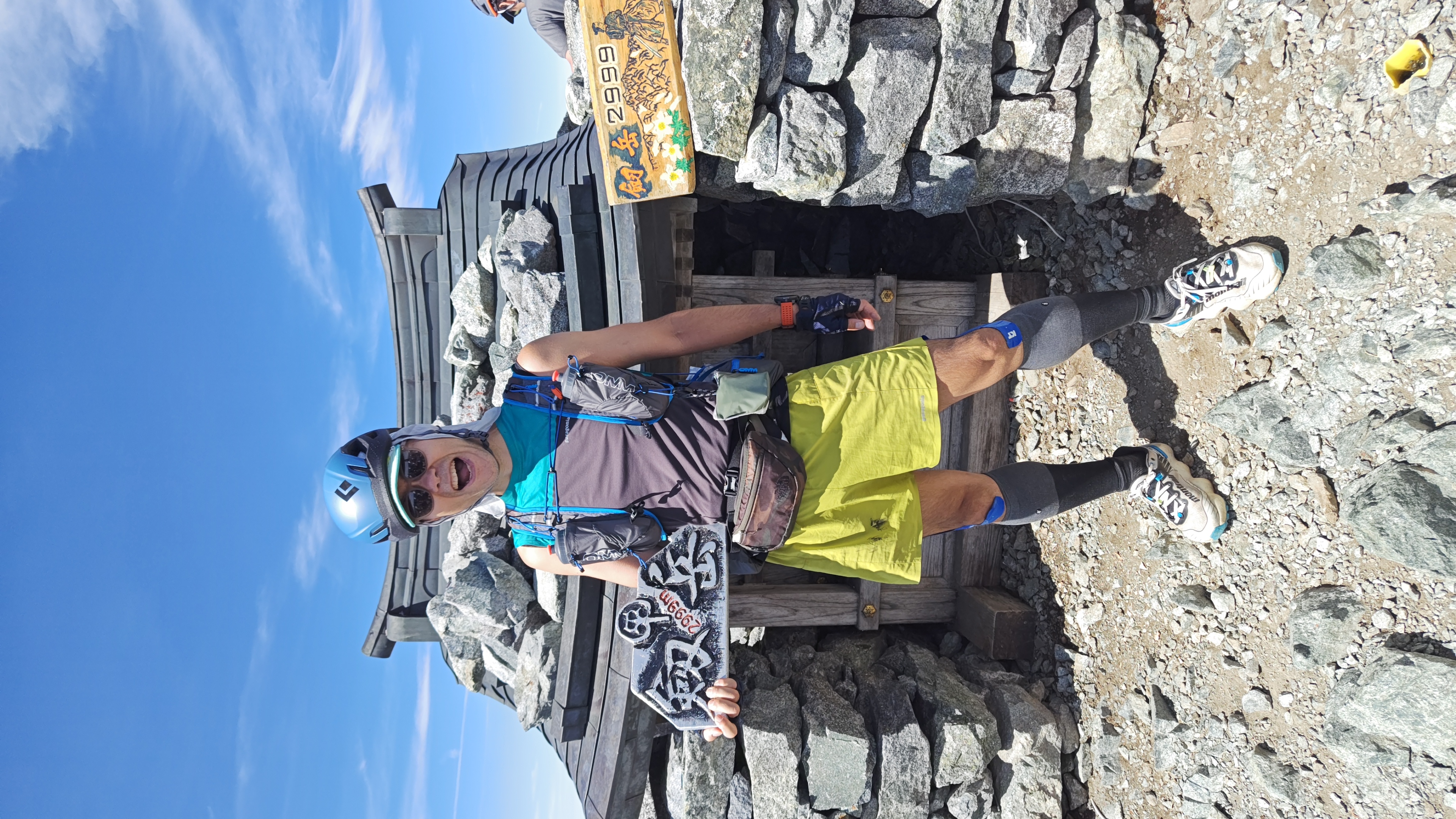
Currently Challenging!
| # | No. | Photo | Name | Category | Start Time | Elapsed Time |
|---|---|---|---|---|---|---|
| 1 | 3 |
キャスター ブライアン Caster Brian |
Hut Resupply | 2026-08-07 23:30 | ||
|
Course:
馬場島からスタートします!
Intro: 30のCPを一気に踏破するチャレンジをしたいと思います。
|
||||||
| 2 | 4 |
Andrew Statter Andrew Statter |
Hut Resupply | 2026-08-07 23:30 | ||
|
Course:
上高地から
Intro: 山が好きだから山登る
|
||||||
| 3 | 5 |
風澤央菜 HIRONA FUSAWA |
Hut Stay & Resupply | 2026-08-04 14:00 | ||
|
Course:
https://www.yamareco.com/modules/yr_plan/code-wtjSBFYtSnK_1YvNxgBd6g
Intro: 夏の北アルプス大縦走今年で3年目になります。
「こんなのがあるよ」と大北を紹介していただいたのでチャレンジしてみようと思いました。
最後まで楽しんで安全に踏破できるよう準備していきます。
|
||||||
| 4 | 7 |
碓井直樹 Naoki Usui |
No Resupply | 2026-07-10 23:00 | ||
|
Course:
職場カレンダー通りだと足りなそうなので、有休取得のでき具合によって都度考えます。
Intro: 今回はマイラーズ東海と関係なく、個人的にのんびりやろうと思っています。
暑いの苦手なので避暑も兼ねて高山に行きたい。
麓の温泉にゆっくり浸かりたい。
|
||||||
| 5 | 9 |
榎本直樹 NAOKI ENOMOTO |
Hut Stay & Resupply | 2026-07-11 04:23 | ||
|
Course:
7月11-12日 笠ヶ岳
7月18-21日 黒部五郎-薬師-立山-剱
7月26日 (三股ー蝶ヶ岳)ー常念岳
8/1-2日(三股)ー大天井岳
8/28日(七倉ー高瀬ダム)
9/12-14日(七倉)ー蓮華岳ー針ノ木岳ー爺ヶ岳ー鹿島槍ー五竜岳ー(八方尾根)
※白馬、唐松、烏帽子、野口五郎、水晶、鷲羽岳、双六岳、三俣蓮華、槍ヶ岳、大喰、中岳、南岳、北穂、涸沢岳、奥穂、前穂、焼岳、蝶ヶ岳は昨年
Intro: 昨年からの留年組です。今年も開催ありがとうございます。今年も楽しませていただきます。
|
||||||
| 6 | 11 |
井口 善晃 Yoshiaki Iguchi |
Hut Resupply | 2026-08-04 01:00 | ||
|
Course:
4分割くらいで考えています。
天候を見ながら無理せず行きます。
Intro: できればいろんな山小屋でご飯食べたいです。
天候次第では留年も視野に入れてのんびり楽しみながら行きたいと思います。
|
||||||
| 7 | 12 |
宮原涼輔 RYOSUKE MIYAHARA |
No Resupply | 2026-07-22 04:00 | ||
|
Course:
栂池自然園から白馬岳まで行き、その後はほぼモデルコースの予定です。
Intro: 昨年の大北アルプスに参加していて未完走ですが、留年制度は使わず最初からスタートし直します。
前回の経験を活かして完走します。
|
||||||
| 8 | 13 |
石川健太郎 KENTARO ISHIKAWA |
No Resupply | 2026-09-18 23:19 | ||
|
Course:
猿倉よりモデルコース予定
Intro: TJAR選考会にて基準未達「不合格」のため、今年も大北アルプスで修行させてください。
|
||||||
| 9 | 16 |
髙橋 昭彦 TAKAHASHI AKIHIKO |
Hut Resupply | 2026-09-02 02:54 | ||
|
Course:
残りの日数的に留年確定ですが、来年の周回コースに向けて少しでも修行します!あと山小屋でビール飲みたいので、山小屋補給部門にします!!
Intro: 大南アルプスを終えて次に何をするか考えた時、最初に浮かんだのは大北アルプスでした。二カ年計画で残りの夏を最後まで楽しみたいと思います!!
|
||||||
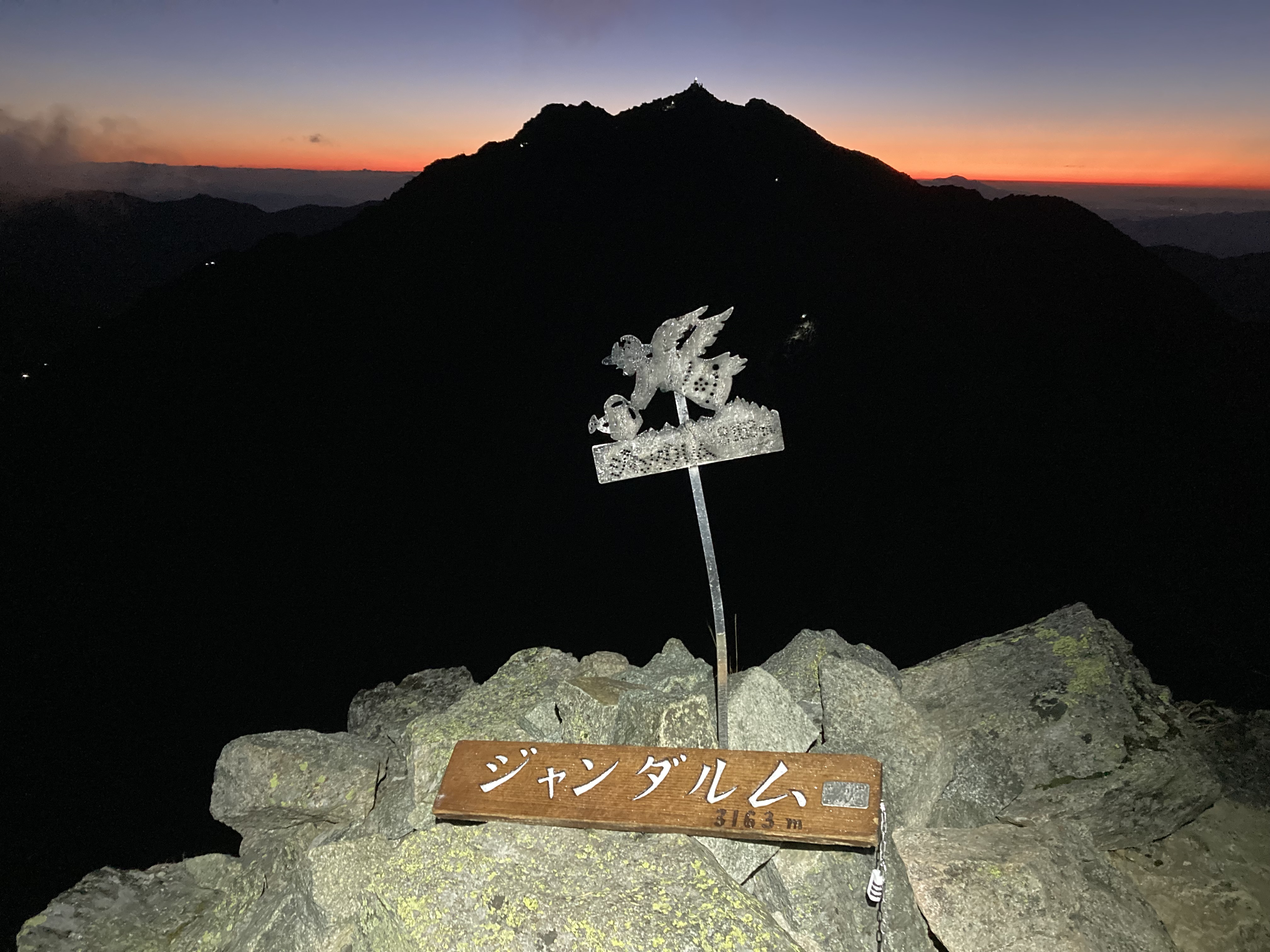


Upcoming Challenges
| # | No. | Photo | Name | Category | Planned Start |
|---|---|---|---|---|---|
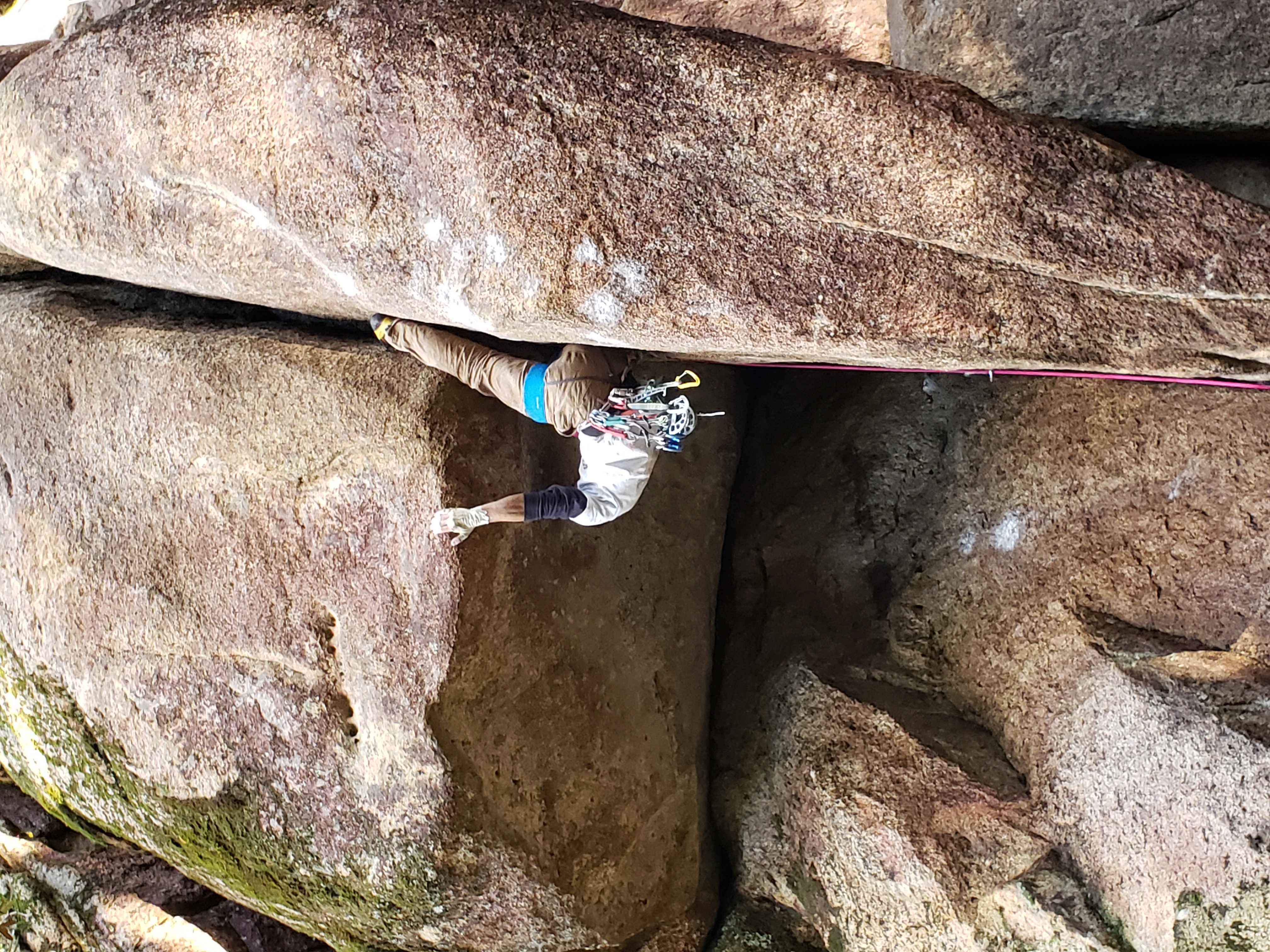
| 1 | 1 |
野入久幸 NOIRI HISAYUKI |
Hut Stay & Resupply | 2026-08-20 09:15 | |
|
Course: 8/20 上高地-蝶ケ岳ヒュッテ泊、8/21 常念岳-大天井岳-ババ平テント泊、8/22 上高地下山。 以下、未定です。 Intro: 昨年からの留年です。今年の完走目指して頑張ります。
|
|||||
| 2 | 2 |
菅原幸彦 菅原幸彦 |
Hut Stay & Resupply | 2026-08-23 15:00 | |
|
Course: 白馬三山から長野県側を南下→焼岳から北上し富山県側を通って白馬へ Intro: ゆるっと安全第一で楽しみたいと思います!
|
|||||
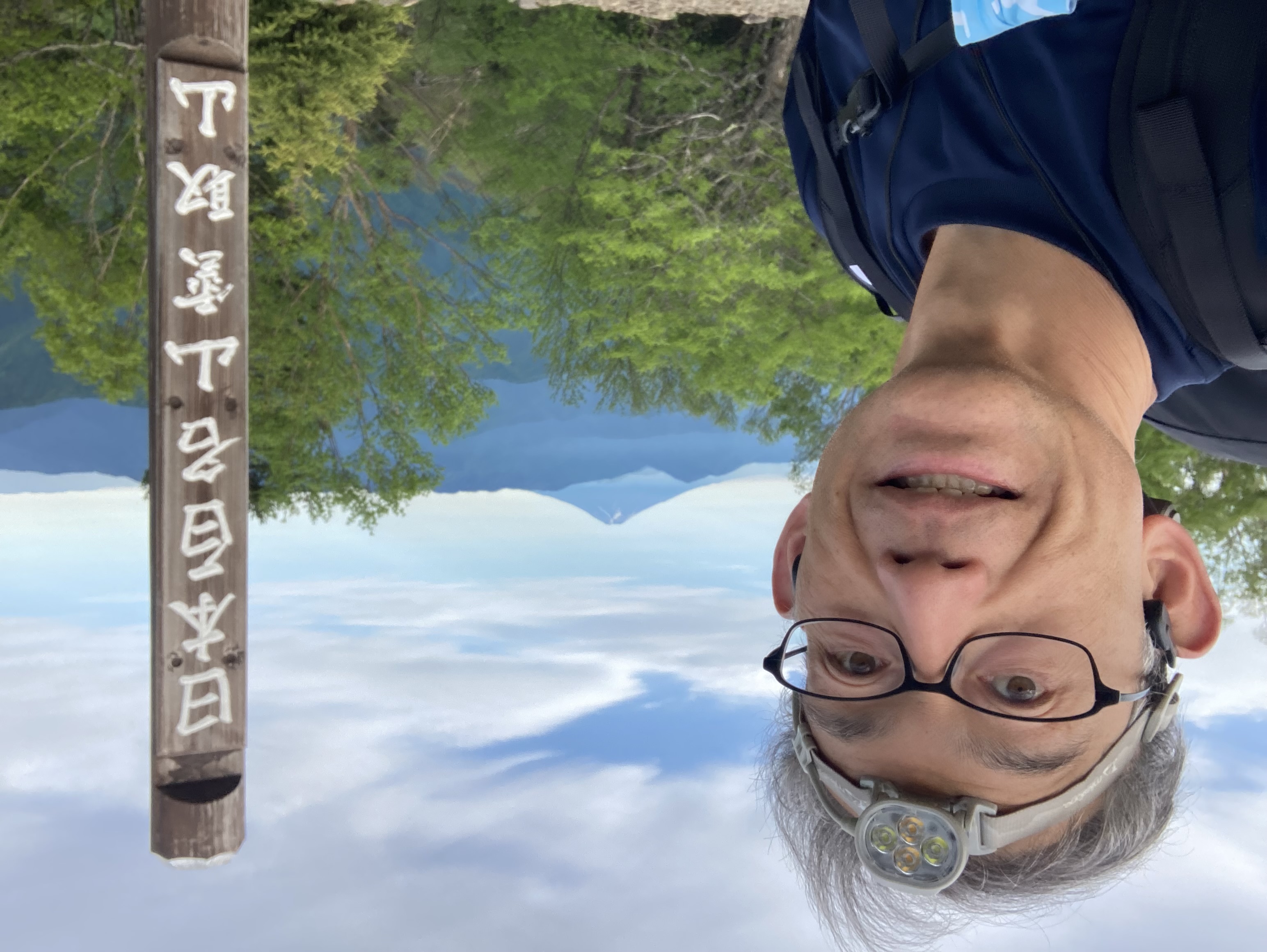
| 3 | 6 |
井寄慎 MAKOTO IYORI |
Hut Stay & Resupply | 2026-08-07 05:00 | |
|
Course: https://www.yamareco.com/modules/yr_plan/code-AGOgiPvbTX2migmOJdJkyw Intro: 昨年からの留年組です。
今年度で残りをどこまで進むことが出来るか楽しみです。
|
|||||
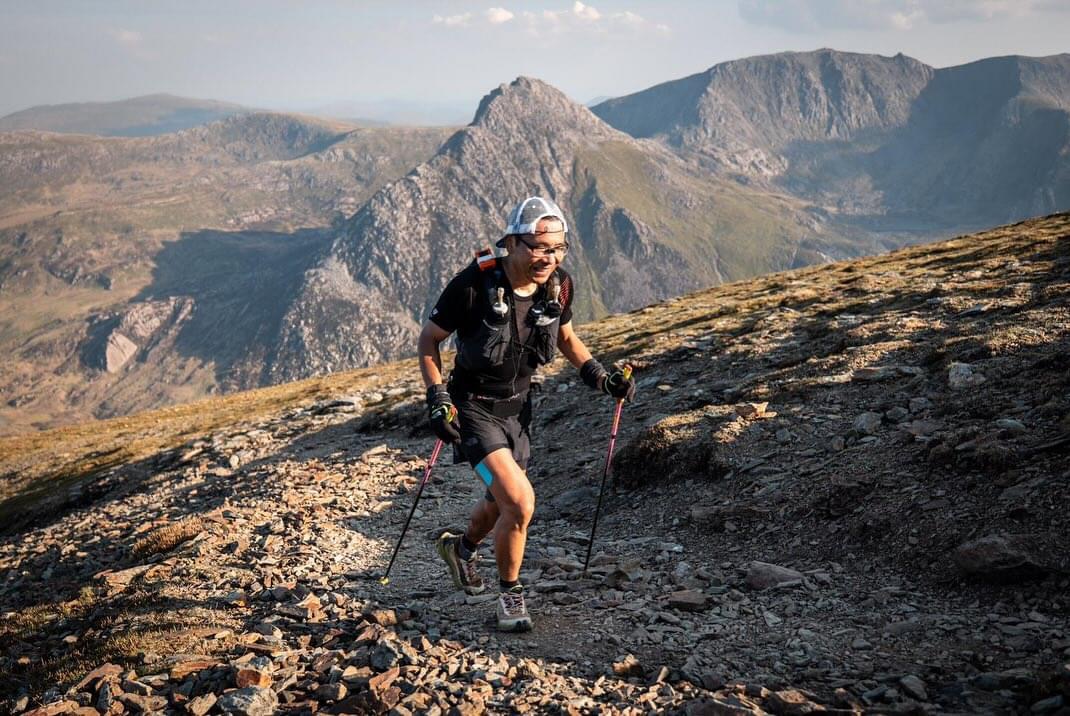
| 4 | 14 |
椎野飛志 TAKASHI SHIINO |
No Resupply | 2026-08-12 00:00 | |
|
Course: 日程は未定ですが 今年の目標 東鎌尾根〜大天井〜常念 剱岳〜立山 焼岳〜前穂高 笠ヶ岳 Intro: 留年組です
昨年同様、一泊二日〜日帰りで少しずつ繋げて行きたいと思います
|
|||||
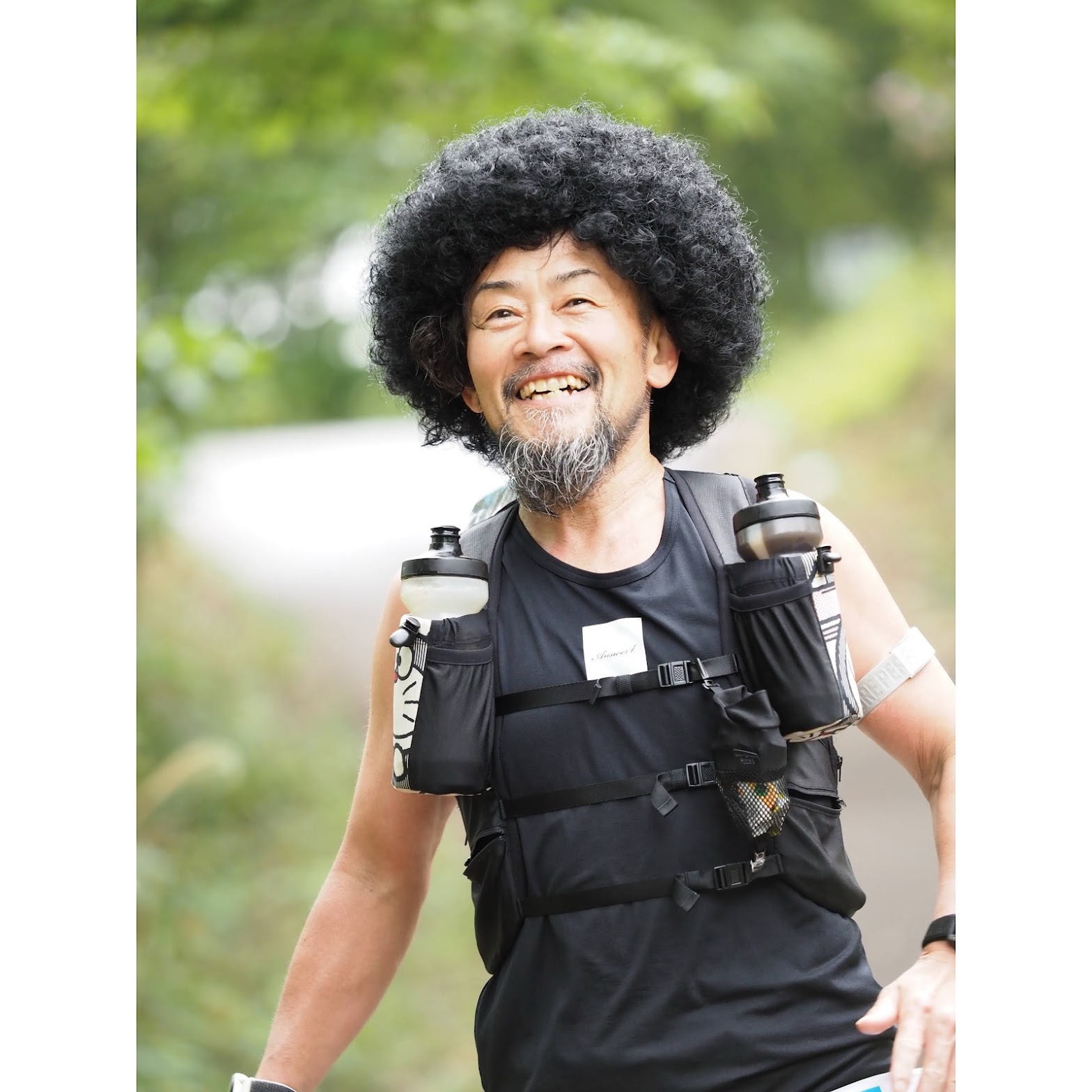
| 5 | 15 |
池田征寛 Yukihiro IKEDA |
Hut Resupply | 2026-08-07 00:00 | |
|
Course: 「くうねるあそぶ。」「おいしい生活。」「不思議、大好き。」のコピーのように、TOR DES GEANTSの練習を兼ねながら楽しく北アルプスで遊びたいと思います。 Intro: 「選考会抽選 2回連続落選なんかに負けていられない!クッソーーーー!無駄に消えた4年を別の形で取り戻せ!」と魔が差してエントリー( ゚д゚)ハッ!
|
|||||
Event Period
Eligibility
- Those who have traversed ridgelines above 2500m for more than two consecutive days.
- Those who have the skills and physical strength to safely complete the course of this event.
- Those who have mountain insurance (including coverage for search and rescue costs).
Participation Fee
- For participants who already have an IBUKI device: 10,000 yen (tax included)
- For those without an IBUKI device: 15,000 yen (tax included)
Rules
- Start from a trailhead, visit all 30 checkpoints, connect the route between them on foot, and complete a loop returning to the start.
-
The checkpoints are as follows: a total of 30 points.
- Hundred Famous Mountains (in the order determined by Kyuya Fukada), 14 peaks: Mt. Shirouma (45), Mt. Goryu (46), Mt. Kashimayari (47), Mt. Tsurugi (48), Mt. Tateyama (Oonanjiyama) (49), Mt. Yakushi (50), Mt. Kurobegoro (51), Mt. Suisho (52), Mt. Washiba (53), Mt. Yari (54), Mt. Okuhotaka (55), Mt. Jounendake (56), Mt. Kasagatake (57), Mt. Yakedake (58)
- 3000-meter Peaks (in order of elevation, ☆ indicates overlap with Hundred Famous Mountains), 9 peaks (excluding 6 Hundred Famous Mountains): Mt. Okuhotaka☆ (3190m), Mt. Yari☆ (3180m), Mt. Karasawa (3110m), Mt. Kitahotaka (3106m), Mt. Obami (3101m), Mt. Maehotaka (3090m), Mt. Nakadake (3084m), Mt. Minamidake (3033m), Mt. Tateyama (Oonanjiyama)☆ (3015m)
- 200 Famous Mountains, 300 Famous Mountains, and event-designated mountains along the ridgeline routes (in model course order), 10 peaks: Mt. Sugoroku (event-designated), Mt. Mitsumatarenge (300 Famous Mountains), Mt. Karamatsu (300 Famous Mountains), Mt. Jii (300 Famous Mountains), Mt. Harinoki (200 Famous Mountains), Mt. Renge (300 Famous Mountains), Mt. Eboshi (200 Famous Mountains), Mt. Noguchi-Goro (300 Famous Mountains), Mt. Otenshou (200 Famous Mountains), Mt. Chou (event-designated)
- We had planned to hold the event on a loop route if the Keyakidaira section became passable. However, it has been announced that the trolley train to Keyakidaira will not resume operations until October 1st. Consequently, hiking in that area is restricted for this summer season. Therefore, just like the 2025 event, the rule will be a one-way course where you can start at any trailhead and finish at any trailhead (the track just needs to be continuous, it does not have to be a loop).
- On March 4, 2026, the Volcanic Alert Level for Mt. Yakedake (58), one of the checkpoints, was lowered to Level 1. Normal hiking is now possible, but please remain mindful that it is an active volcano. For the latest information on volcanic activity, please check the Japan Meteorological Agency's Activity Info.
- You can start whenever you like during the event period, but be sure to finish before it ends.
- Choose your start and finish point, direction, and route however you like as long as you follow the rules.
- Take a photo of yourself and a sign or landmark at every checkpoint and send us the link.
- Carry an IBUKI GPS device and share your track on the official page.
- We'll check your photos and logs to confirm you've hit every checkpoint and post your finish time in the rankings.
-
Pick a style below and let us know your category. You can change it later if needed, like when you have to stay in a hut.
- Hut Stay & Resupply Category: Participants rest (30 minutes or more) and stay in huts, and resupply food.
- Hut Resupply Category: Participants resupply food and drinks in huts without resting.
- No Resupply Category: Participants do not rest or resupply food in huts, only replenishing water.
- Getting food or a place to sleep from others counts the same as using a hut.
- If you're in the Hut Resupply category, you can also grab gear sold at huts, like charging a battery or buying gas cans, but everything you carried must come back down with you.
- You may shop and resupply in towns or bus-accessible places like Kamikochi or Shin-Hotaka. Water refills are fine anywhere, even paid ones at huts.
- Carry all your gear yourself except the food and drinks you resupply. You can swap gear at places reachable by public transit.
- You can leave the course and resume from any trailhead later. Split your attempt into sections and go home in between if you like. Vehicle travel outside the course is fine, but make sure your GPS log eventually connects in one line. Your time is measured from your first start to your final finish.
- Sections you'd have to cover twice in one push only need to be logged once if splitting your attempt lets you pass them just once.
- This area is one of Japan's toughest mountain zones. Put safety first and avoid risky ridges in bad weather.
- Handle all the usual prep for a multi-day trek: gear selection, route and food planning, hut bookings, climbing plans, and insurance.
- This is a personal challenge. We'll watch over you and call for help if needed, but we can't compensate for accidents.
Model Course
As a reference, we present a model course that passes through all checkpoints.
As stated in the rules, as long as you visit every checkpoint and keep your track continuous, you don't have to follow this specific course.
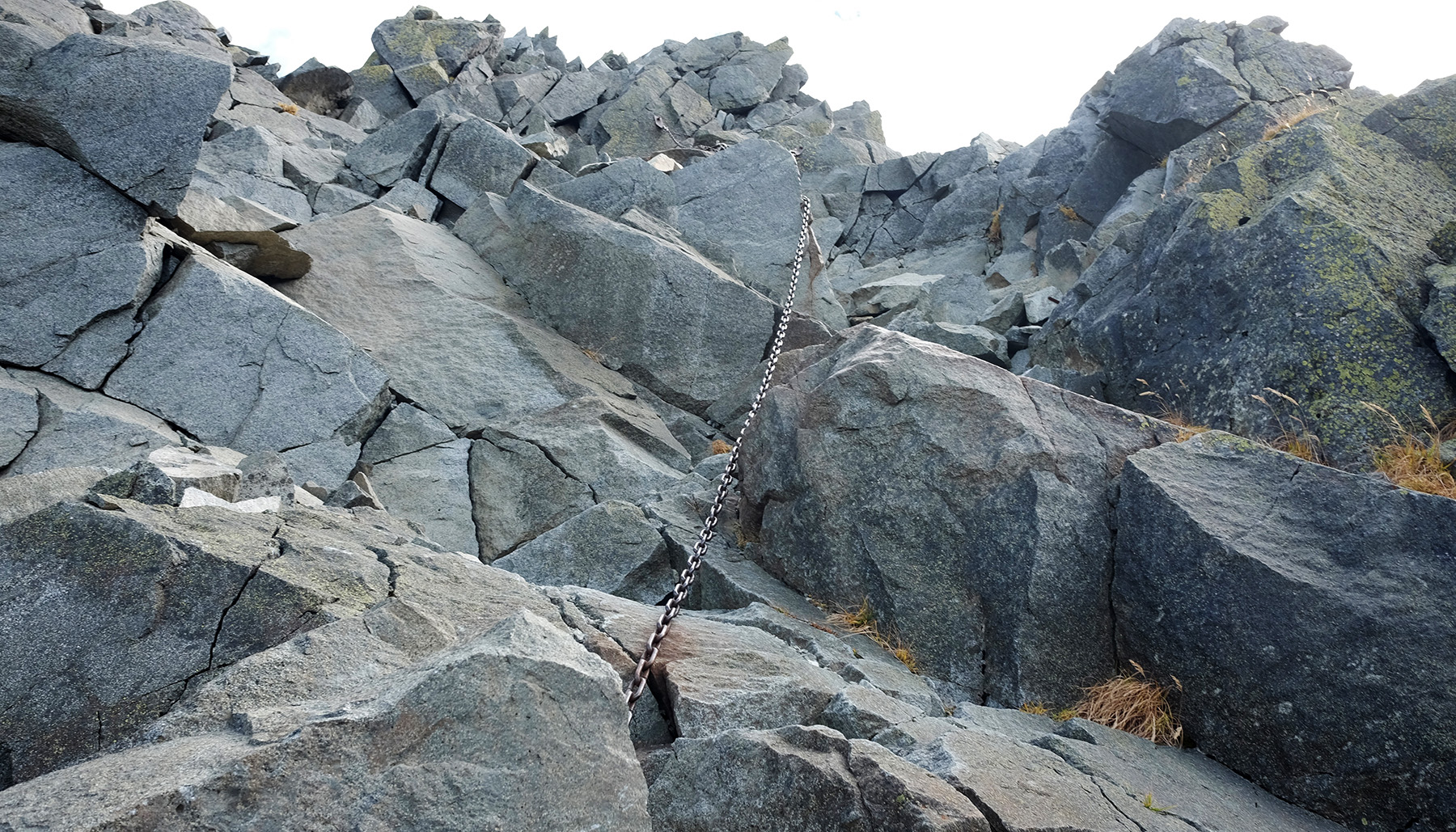
This course passes through the "Japan's Three Great Kirrettes": "Dai-Kiretto," "Hachimine-Kiretto," and "Kaerazu-no-Ken," which are extremely dangerous.
In case of bad weather or fatigue, avoid these difficult sections and consider staying in safe places or taking detours.
https://ja.ibuki.run/ev/8964704438288078582/
Distance: 215.3km
Total Elevation Gain: 20,522mD+
Trail Rate: 95.9%
Standard Course Time: 180 hours 40 minutes
Information
IBUKI STATION Podcast
We share the latest news and insights for the Great Northern Japanese Alps on our IBUKI STATION podcast. Tune in to stay updated!

Organizer: Great Trails Organizing Committee
Cooperation:

Contact:info@great-trails.jp